Every soil has a plant!
How to save the world with plants #04 by @cast-iron-garden.bsky.social
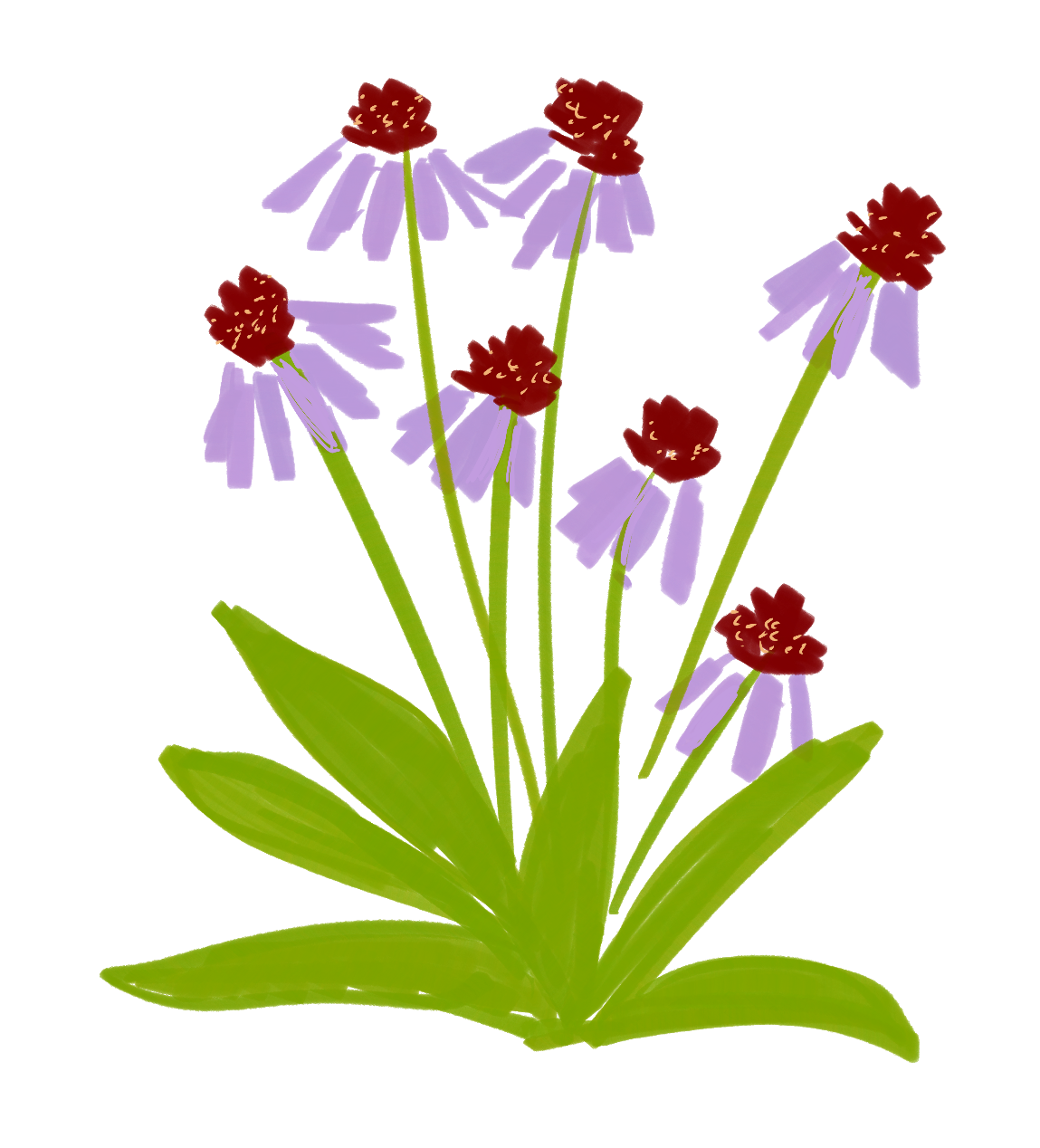
When growing native plants, match the plant to your soil instead of spending time and money on amending soils.
Native plants evolved to live in our local soils
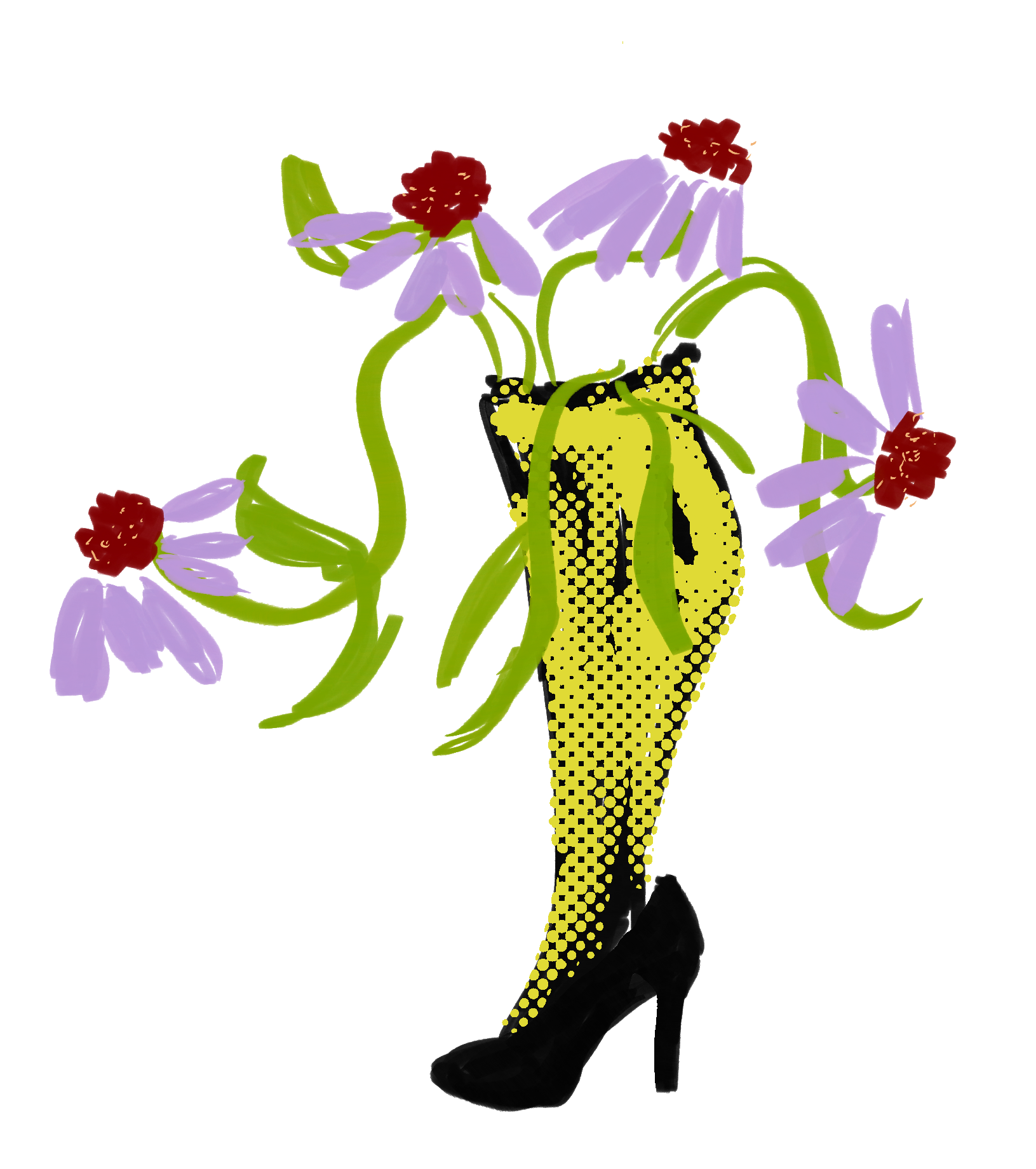
Supplementing the soil with too many nutrients or watering more than preferred can cause some prairie plants to become “leggy” and flop over.
See what’s already growing
Sticky wet clay that cracks in the summer? So much of the Great Plains has clay soils. Thus, many native prairie plants are happy with it. Searching the Plant Finder at Missouri Botanical Garden for “tolerates clay” and “Missouri natives” brings up 162 species.
Have sand burs (also called goatheads or stickers)? Grow sand specialists like Asclepias amplexicaulis, Penstemon grandiflorus, or Verbesina enceloides in the sun. In the shade, options include Malvaviscus arboreous var drummondii and Tradescantia tharpii.